




Stainless Steel Coil Demand Is Heating Up: Why Global Buyers Are Rebuilding Their Metal Supply Chains




The global stainless steel market is entering a more selective and application-driven stage. Buyers are no longer looking only for a low unit price. They are comparing grade stability, surface quality, coil processing flexibility, mill-direct supply, delivery speed, and the supplier’s ability to support international projects. In this environment,stainless steel coil is becoming one of the most important products for manufacturers, distributors, and project contractors that need reliable metal materials across multiple industries.
Stainless steel coil is widely used because it combines corrosion resistance, formability, strength, and processing efficiency. Compared with fixed-size plates or finished parts, coil products can be slit, cut to length, stamped, formed, polished, welded, or further processed according to downstream production needs. This makes stainless steel coil especially valuable for automotive parts, architectural decoration, industrial equipment, kitchenware, chemical processing, energy facilities, electronics, springs, and precision components.
Market Demand Is Becoming More Grade-Specific
One of the strongest trends in the stainless steel coil market is the shift toward grade-specific purchasing. Buyers are no longer treating stainless steel as one general material category. They are selecting grades according to real application requirements.
For example, 301 stainless steel coil is valued for its strong work-hardening capability. Through cold rolling and forming, it can achieve higher strength and hardness while maintaining useful corrosion resistance. This makes it attractive for lightweight structural parts, springs, clips, high-durability components, and applications where strength-to-weight balance matters.
304 stainless steel coil remains one of the most widely used grades because it offers a strong balance of corrosion resistance, formability, and cost-effectiveness. It is common in kitchen equipment, decorative panels, general industrial fabrication, containers, and architectural components. 304L stainless steel coil, with lower carbon content, is often selected where welding and resistance to intergranular corrosion are important.
This grade-specific purchasing trend rewards suppliers that can provide a broader stainless steel portfolio, clear specifications, and flexible customization rather than only standard inventory.
Supply Chain Stability Is Now a Core Buying Factor
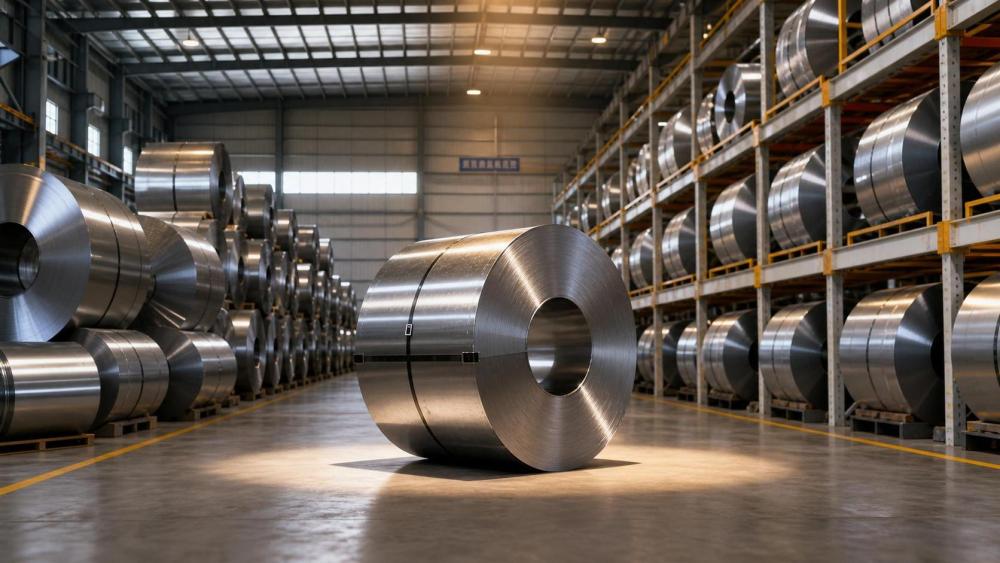
Recent years have made metal buyers much more cautious about supply chains. Freight rate changes, raw material price volatility, regional demand swings, and project delays have pushed procurement teams to rethink how they source stainless steel products. For many buyers, the most valuable supplier is not simply the cheapest one. It is the supplier that can provide stable material, fast response, predictable shipment, and reliable documentation.
For stainless steel coil buyers, this is especially important because coil products often support continuous manufacturing. If coil supply is delayed, downstream slitting, stamping, roll forming, polishing, or assembly lines may be affected. A distributor may miss market demand. A fabricator may delay delivery. A project contractor may face installation pressure.
This is why global buyers increasingly prefer suppliers with large stock, mill-direct supply chains, export experience, and end-to-end logistics support. A supplier that can ship standard specifications quickly while also supporting custom sizes and grades can help buyers reduce procurement risk.
Automotive and Lightweight Manufacturing Are Supporting Demand
The automotive industry is one of the key markets supporting demand for stainless steel coil. As vehicle manufacturers continue to pursue lighter, stronger, and more durable components, stainless steel remains useful in structural parts, exhaust systems, clips, brackets, decorative trim, battery-related components, and precision stamped parts.
In this context, 301 stainless steel coil has particular relevance because of its work-hardening behavior. It can be processed into components that require higher strength after forming. For automotive and precision manufacturing buyers, this helps support lightweight design while maintaining practical durability.
Beyond automotive, stainless steel coil is also used in household appliances, machinery components, electronic hardware, industrial enclosures, and consumer products. These applications all need materials that can be processed efficiently and maintain consistent performance batch after batch.
Construction and Architectural Applications Remain Resilient
Construction and architectural markets also continue to support stainless steel coil demand. Stainless steel is used in decorative panels, elevator interiors, wall cladding, roofing accessories, handrails, door systems, drainage components, and facade elements. Buyers in these sectors care about surface quality, corrosion resistance, appearance consistency, and processing stability.
The trend toward modern commercial spaces, transportation hubs, public buildings, and high-end residential projects is creating demand for durable and visually stable materials. Stainless steel coil can be processed into different finishes and sizes, giving fabricators flexibility for project-specific requirements.
For contractors, the advantage is not only material performance. Coil-based supply also supports efficient fabrication. Materials can be cut and formed according to project dimensions, helping reduce waste and improve production planning.
Chemical, Marine, and Energy Sectors Need Reliable Materials
Stainless steel coil also plays a major role in demanding industrial environments. Chemical processing, marine equipment, water treatment, oil and gas, and energy infrastructure often require materials that can resist corrosion and maintain performance under challenging conditions.
In these sectors, grade selection becomes critical. While 304 may be suitable for general environments, more aggressive applications may require higher corrosion resistance. Buyers often evaluate chloride exposure, temperature, chemical contact, cleaning conditions, and welding requirements before selecting material.
The growth of energy and industrial infrastructure projects is likely to keep demand stable for stainless steel products with dependable performance. For suppliers, this creates opportunities to support buyers with grade guidance, documentation, and consistent coil quality.
Processing Flexibility Gives Coil Products an Advantage
One of the most practical reasons stainless steel coil remains attractive is processing flexibility. A coil can be converted into many different downstream forms. It can be slit into narrow strips, cut into sheets, polished for decorative use, stamped into components, or roll-formed into profiles.
This flexibility helps distributors and manufacturers manage inventory more efficiently. Instead of stocking too many fixed-size sheets or finished products, they can keep coil material and process it according to customer orders. This reduces inventory pressure and improves market responsiveness.
For international buyers, coil form also supports bulk procurement and efficient shipping. When combined with reliable packaging, clear labeling, and export documentation, stainless steel coil becomes a convenient material for global supply chains.
Price Volatility Is Changing Procurement Strategy
Stainless steel prices are influenced by nickel, chromium, energy costs, freight rates, and regional supply-demand conditions. When prices fluctuate, buyers often become more strategic. They may split orders, secure inventory earlier, compare multiple suppliers, or look for grades that balance performance and cost.
This makes supplier communication more important. Buyers need timely quotations, clear validity periods, accurate stock information, and realistic delivery schedules. They also need suppliers who can explain available grade options and processing capabilities.
The stainless steel coil market is therefore becoming less about simple spot trading and more about procurement planning. Buyers want partners who can help them manage both price risk and supply risk.
Quality Control Is Becoming a Market Differentiator
As downstream industries become more demanding, quality control is becoming a stronger differentiator in the stainless steel coil market. Buyers care about thickness tolerance, surface defects, edge quality, mechanical properties, chemical composition, coil weight, and packaging condition.
For applications such as stamping, spring manufacturing, decorative panels, or precision components, small material variations can create production problems. A coil with unstable hardness, poor surface condition, or inconsistent thickness can lead to higher scrap rates and delayed production.
This is why buyers increasingly value suppliers that can provide inspection support, material certificates, surface checks, packaging photos, and third-party testing when needed. Quality documentation is not just paperwork. It is a way to reduce risk before the material reaches the customer’s production line.
Global Buyers Are Looking for Integrated Metal Supply
Another important trend is integrated sourcing. Many procurement teams prefer suppliers that can provide more than one product category. A project may require stainless steel coil, stainless steel plate, carbon steel, galvanized steel, aluminum, copper, alloy steel, or profiles. Working with one capable supplier can reduce communication costs and simplify logistics.
This is especially useful for buyers in construction, machinery manufacturing, shipbuilding, energy, and industrial fabrication. These sectors often need multiple metal products for the same project. A supplier with a wide product portfolio and export service capability can become a more valuable long-term partner.
Outlook: Stainless Steel Coil Will Stay Strategic
Looking ahead, stainless steel coil is likely to remain a strategic material in global metal procurement. Its demand is supported by automotive lightweighting, construction upgrades, industrial equipment, energy infrastructure, consumer goods, and precision manufacturing. Even when one market slows, another may continue to support steady demand.
For buyers, the key is to choose suppliers that can provide stable grades, flexible sizes, reliable stock, quality documentation, and dependable export service. For suppliers, the opportunity is to move beyond basic material sales and become full-service partners in global metal supply chains.
In a market shaped by volatility, customization, and supply chain caution, stainless steel coil is not simply another steel product. It is a flexible manufacturing material, a project planning tool, and a practical foundation for modern industrial production.
Related News
- 00
0000-00
Which sectors are driving demand in the chemical engineering market? - 00
0000-00
How to assess lifecycle emissions from CCUS for low-carbon cement - 00
0000-00
How do energy storage technologies compare for 8-hour discharge? - 00
0000-00
Do mill test reports prove industrial alloys meet ASTM standards? - 00
0000-00
How to verify plastic recycling system suppliers' throughput claims
Related tags
Weekly Insights
Stay ahead with our curated technology reports delivered every Monday.