




Marine Steel Plates Market Outlook: Why Shipbuilding Supply Chains Are Turning Toward Stronger and More Reliable Steel




The global shipbuilding and marine engineering market is entering a new stage of material-driven competition. Shipyards, offshore project owners, port developers, and marine equipment manufacturers are no longer evaluating steel only through basic price and availability. They are paying closer attention to strength, weldability, dimensional stability, certification readiness, corrosion resistance, fatigue performance, and long-term supply reliability. In this changing environment,marine steel plates are becoming a strategic material category for buyers who need dependable steel solutions for vessels, offshore structures, port facilities, and heavy marine applications.
Marine steel plates play a central role in shipbuilding because they support the structural integrity of hulls, decks, bulkheads, offshore platforms, marine machinery foundations, and other load-bearing components. Unlike ordinary construction steel, marine steel must perform under demanding conditions. It faces saltwater exposure, cyclic loading, vibration, impact stress, temperature changes, and strict safety requirements. As a result, shipbuilding buyers need materials that can maintain performance not only during fabrication, but also throughout years of service.
The market trend behind marine steel plates is being shaped by several forces at once. Global shipping demand is evolving, vessel replacement cycles are accelerating in some sectors, offshore energy development remains active, and port infrastructure is expanding in many regions. At the same time, shipbuilders are under pressure to improve efficiency, reduce emissions, meet classification society requirements, and control project risk. These factors are making reliable marine-grade steel supply more important than ever.
Shipbuilding Recovery Is Supporting Demand for Marine Steel
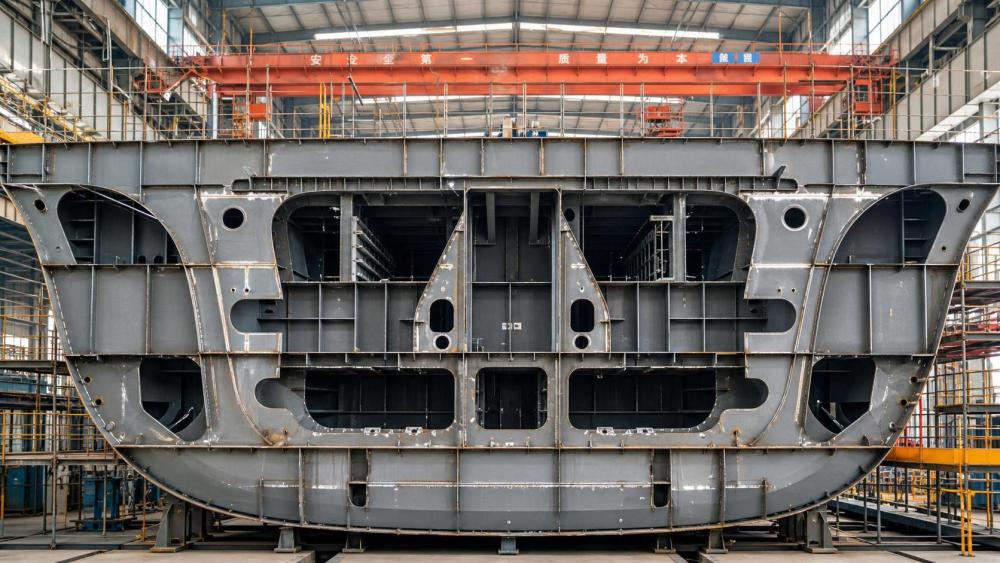
Shipbuilding is closely linked to global trade, energy transportation, fisheries, naval modernization, and offshore engineering. When shipping companies renew fleets or expand capacity, demand for marine steel rises. In recent years, several vessel categories have supported material demand, including bulk carriers, tankers, container ships, LNG-related vessels, offshore service vessels, fishing vessels, ferries, patrol boats, and specialized working ships.
For shipyards, marine steel plates are not simply a commodity input. They are part of the foundation of vessel safety and production efficiency. Steel plate quality affects cutting, forming, welding, assembly, inspection, and final vessel performance. If a plate has unstable dimensions, poor surface condition, inconsistent mechanical properties, or unclear documentation, it can slow production and increase rework.
This is why shipbuilding buyers are becoming more selective. They need suppliers who can provide stable material grades, clear certification support, reliable delivery schedules, and consistent batch quality. In a project environment where delays can be expensive, material reliability can have a direct impact on shipyard productivity.
The recovery of shipbuilding demand also varies by region. Asia remains a major center of ship construction, with China, South Korea, and Japan continuing to dominate large vessel production. Southeast Asia, the Middle East, and parts of Europe are also active in repair, offshore support, port vessels, and specialized marine projects. These regional differences create demand for a wide range of plate specifications, from general shipbuilding grades to higher-strength and specialized marine steel products.
Offshore Energy Keeps Marine Steel in Strategic Focus
Offshore energy is another important driver for marine steel plates. Oil and gas platforms, subsea support structures, offshore wind foundations, service vessels, floating production systems, and marine installation equipment all require steel materials capable of handling harsh environments. Even as the global energy mix changes, offshore engineering continues to demand high-performance steel.
Offshore structures face complex loads. They must resist wave action, wind force, impact, vibration, corrosion, and long-term fatigue. Marine steel plates used in these applications must meet strict performance expectations. Buyers often pay close attention to tensile strength, yield strength, impact toughness, weldability, thickness tolerance, and classification requirements.
Offshore wind is creating an additional layer of demand. Foundations, transition pieces, installation vessels, substations, and port assembly areas require heavy steel materials. While not every component uses the same type of marine plate, the broader offshore wind supply chain strengthens demand for durable and certifiable steel. As countries invest in renewable energy infrastructure, marine-grade steel products are becoming part of the energy transition as well as traditional shipbuilding.
For steel suppliers, this trend creates opportunities but also raises expectations. Offshore and marine buyers typically require stronger documentation, clearer quality control, and more precise specification communication. Suppliers that can support technical selection and export documentation will be better positioned than those competing only on price.
Classification and Standards Are Becoming More Important
Marine steel procurement is strongly influenced by classification society requirements and international standards. Shipbuilding projects may involve organizations such as ABS, DNV, LR, BV, CCS, NK, KR, or RINA, depending on vessel type, owner requirements, and target operating region. Buyers need materials that can align with the relevant classification and inspection process.
This makes documentation a key part of the procurement decision. Mill test certificates, chemical composition, mechanical properties, heat numbers, production batches, inspection records, and traceability information all matter. For international buyers, complete documentation can reduce approval delays and help shipyards move material into production with greater confidence.
Standards also influence material selection. A plate used for a general hull structure may have different requirements from a plate used in a low-temperature environment, offshore structure, or high-strength application. Buyers need to match grade and thickness with project requirements instead of selecting steel only by availability.
This trend is changing how marine steel suppliers communicate online. A strong product page should not only list “marine steel plates.” It should help buyers understand application areas, available grades, thickness ranges, processing support, inspection options, and export readiness. Content that explains these details improves both search relevance and buyer trust.
Welding Performance Is a Major Buyer Concern
Welding is central to shipbuilding. Large marine structures are assembled through extensive cutting, forming, fitting, and welding processes. Therefore, marine steel plates must provide good weldability and stable performance after fabrication. Poor welding behavior can increase defects, inspection failures, and rework costs.
Shipyards are especially sensitive to weld zone performance because welded joints can become stress concentration areas. Fatigue resistance, impact toughness, and heat-affected zone behavior are important in marine structures exposed to repeated loading. Buyers may evaluate not only the base material properties but also how the steel performs during real fabrication.
As shipyards improve automation and digital production systems, material consistency becomes even more important. Automated cutting and welding processes require predictable plate dimensions and surface condition. If plate quality varies too much, production efficiency falls. This is why many marine buyers prefer suppliers who can maintain consistent quality across repeated orders.
Welding performance also affects total project cost. A cheaper plate that causes more welding defects may become expensive after considering labor, delay, inspection, and repair costs. In this sense, marine steel plates must be evaluated through total fabrication value rather than material price alone.
Corrosion and Service Life Are Driving Material Decisions
Marine environments are naturally corrosive. Saltwater, humidity, spray zones, and changing temperatures can accelerate corrosion if materials are not properly selected and protected. While coatings and maintenance systems are essential, the quality of the steel substrate also matters.
Marine steel plates used in hulls, decks, offshore structures, and port equipment must support long service life. Buyers consider how the steel will behave under coating systems, welding, forming, and long-term exposure. Surface quality, cleanliness, and plate flatness can affect coating adhesion and fabrication outcomes.
As vessel owners and offshore operators focus more on lifecycle cost, material selection is becoming more strategic. Maintenance, downtime, dry-docking, repair, and replacement all affect operating economics. A reliable steel plate can help reduce risk across the service life of a vessel or marine structure.
This is especially relevant for markets with harsh operating conditions. Coastal shipping, offshore support, fishing, port operations, and marine construction all expose steel to demanding environments. Buyers serving these sectors often care about more than minimum specification compliance. They want confidence that materials will perform in practical use.
Port Infrastructure and Marine Construction Create Additional Demand
The marine steel plate market is not limited to shipbuilding. Port infrastructure, marine terminals, ship repair yards, dry docks, bridges, offshore service bases, and coastal industrial facilities also require strong steel materials. As global logistics networks expand and ports modernize, demand for marine-grade and heavy steel products continues.
Port projects often involve cranes, platforms, berthing structures, ramps, storage systems, equipment foundations, and protective structures. These applications may require plates with strong mechanical properties and good fabrication performance. In many regions, ports are being upgraded to handle larger vessels, more container volume, energy transition cargo, and specialized offshore equipment.
Marine construction projects also require steel that can handle both structural loads and environmental exposure. Buyers may need plate materials for floating structures, workboats, barges, pontoons, access platforms, and coastal engineering systems. This creates additional opportunities for suppliers with flexible product ranges and export capabilities.
The port infrastructure trend is important because it connects marine steel demand with global trade development. Even when new vessel orders slow, maintenance, repair, port upgrades, and coastal infrastructure can continue to support steel consumption.
Supply Chain Reliability Is Becoming a Competitive Advantage
Marine steel procurement is becoming more complex because buyers face price volatility, freight uncertainty, changing trade policies, and project-specific delivery schedules. Steel plate prices can be influenced by iron ore, coking coal, energy costs, mill capacity, exchange rates, and regional demand. Freight costs and shipping timelines can also affect total procurement decisions.
For shipyards and project contractors, unreliable supply can cause serious problems. If steel plates arrive late or fail inspection, production schedules may be disrupted. This is why buyers increasingly value suppliers who can provide realistic lead times, stable communication, careful packaging, and export documentation.
Inventory strategy is also changing. Some buyers keep stock for common grades and sizes, while others order according to project milestones. Both models require dependable supply partners. A supplier that can support flexible specification needs and respond quickly to inquiries becomes more valuable in a volatile market.
For exporters, this means marketing should emphasize reliability, not only product variety. Buyers want to know whether the supplier can handle repeat orders, special sizes, documentation requests, and international logistics. These service factors can influence purchasing decisions as much as price.
Sustainability and Fleet Modernization Influence Steel Demand
The maritime industry is under growing pressure to reduce emissions and improve efficiency. New vessel designs, alternative fuels, lighter structures, optimized hull forms, and improved operational systems are shaping shipbuilding trends. While marine steel plates are traditional materials, they remain relevant because steel offers strength, recyclability, and proven performance.
Fleet modernization can support demand for higher-quality steel. As shipowners replace older vessels or retrofit existing ones, they may require marine steel for structural renewal, repair, reinforcement, or new construction. Ship repair yards also need reliable plate supply for maintenance and conversion projects.
Sustainability discussions are also increasing buyer interest in lifecycle performance. Durable materials that reduce repair frequency and extend service life can support more efficient resource use. Steel is also widely recyclable, which strengthens its position in long-term marine infrastructure and vessel construction.
In the future, buyers may ask more questions about steel production routes, carbon footprint, traceability, and compliance with environmental expectations. Suppliers that prepare for these questions will be better positioned in international markets, especially when serving customers in Europe, North America, and high-standard offshore sectors.
Regional Market Opportunities Are Expanding
Marine steel plate demand varies across global regions. In East Asia, shipbuilding remains the dominant driver. China, South Korea, and Japan continue to require large volumes of shipbuilding steel, while also moving toward more efficient and higher-value vessel construction. Southeast Asia has opportunities in ship repair, offshore support vessels, ferries, fishing fleets, and coastal infrastructure.
The Middle East is investing in ports, offshore energy, ship repair, logistics hubs, and industrial waterfront projects. These developments can support demand for marine and structural steel products. Europe remains important for specialized vessels, offshore wind, repair, and high-standard marine engineering. North America has demand linked to naval projects, offshore services, inland waterways, ports, and industrial marine infrastructure.
Africa and Latin America also offer long-term opportunities as port development, coastal infrastructure, fisheries, energy projects, and regional trade expand. Buyers in these markets may prioritize availability, competitive pricing, and practical export support, while still needing dependable material quality.
For suppliers, regional differences matter. A shipyard buyer may focus on classification documents and fabrication performance. A port contractor may focus on delivery schedule and structural requirements. A distributor may prioritize common sizes and resale flexibility. A repair yard may need fast supply and flexible quantities. Understanding these buyer types helps suppliers position marine steel plates more effectively.
Outlook: Marine Steel Plates Will Remain Essential to Global Marine Industry Growth
The long-term outlook for marine steel plates remains positive because the material is closely tied to industries that support global trade, energy, transport, and infrastructure. Shipbuilding, offshore engineering, port development, repair yards, and marine construction all depend on strong and reliable steel materials.
However, the market is becoming more quality-driven. Buyers are more cautious, more technical, and more focused on risk control. They want stable material performance, complete documentation, reliable delivery, and suppliers who understand real application requirements. This creates opportunities for steel companies that can communicate clearly and support international procurement professionally.
For buyers, the best strategy is to evaluate marine steel plates through total value. Price matters, but so do grade suitability, weldability, dimensional accuracy, certification support, delivery reliability, and supplier experience. A dependable plate supplier can help reduce project delays, improve fabrication efficiency, and support long-term structural performance.
For suppliers, the strongest opportunity is to move beyond basic product promotion and present marine steel plates as part of the global shipbuilding and marine infrastructure value chain. As the maritime sector modernizes, strengthens, and adapts to new market demands, marine steel plates will remain one of the key materials shaping safer vessels, stronger offshore structures, and more resilient marine supply chains.
Related News
- 00
0000-00
Agrochemical regulations: common export compliance mistakes - 00
0000-00
Circular economy polymers: how to avoid quality issues - 00
0000-00
Circular economy polymers: virgin or recycled blends? - 00
0000-00
Bio-based materials still face a performance trust gap - 00
0000-00
Industrial decarbonization targets slip when baselines are weak
Weekly Insights
Stay ahead with our curated technology reports delivered every Monday.