




How Buyers Can Prevent Common Galvanized Steel Coil Quality Problems




Global buyers often begin a steel inquiry with a product name, size range, and target price. That is understandable, but it is rarely enough for a stable order. For roofing sheet producers, wall panel factories, ducting suppliers, steel distributors, and light fabrication buyers, hot dip galvanized steel coil should be evaluated through the real application, the processing route, the receiving process, and the documents required after arrival. A purchase that looks simple on paper can still create claims if the specification does not describe how the material will actually be used.
This guide explains how to reduce sourcing risk for galvanized coil by connecting technical fields with buyer workflow. It focuses on practical checks rather than unsupported market claims: what to ask before quotation, what to compare before order confirmation, what to inspect before shipment, and how to keep future lots consistent. The goal is to help procurement teams move from a price-only conversation to a controlled purchasing decision that protects production, resale, and project delivery.
Problem One: Product Names Are Too General
Problem One: Product Names Are Too General should be handled as a business and technical decision, not as a short purchasing note. For roofing sheet producers, wall panel factories, ducting suppliers, steel distributors, and light fabrication buyers, the material must fit corrugating, roll forming, cutting to sheet, stamping, duct production, and general resale. If the inquiry does not describe these conditions, a supplier may quote a product that sounds correct but fails to match the actual production route, warehouse practice, or customer acceptance standard. A clearer request gives both sides a shared reference before price, delivery, and documents are discussed.
The practical way to reduce white rust, unclear zinc coating, wet packing, forming cracks, surface claims, and document disputes is to turn each assumption into a written field. Buyers should record the target application, dimensional range, surface expectation, packing method, inspection scope, and document package. This does not make sourcing slower; it makes comparison easier. When every quotation answers the same fields, the buyer can see whether a lower offer is genuinely efficient or simply missing an item that will become expensive after shipment.
For repeat orders, problem one: product names are too general also needs a memory system. Keep the previous specification, supplier comments, photos, inspection notes, and receiving records in one place. If the next purchase changes only one parameter, such as width, surface condition, coating level, end preparation, or packing direction, the team can review the likely effect before confirming. This habit protects buyers from quiet specification drift and keeps supplier communication factual.
Problem Two: Zinc Coating Lacks Exposure Context
Problem Two: Zinc Coating Lacks Exposure Context should be handled as a business and technical decision, not as a short purchasing note. For roofing sheet producers, wall panel factories, ducting suppliers, steel distributors, and light fabrication buyers, the material must fit corrugating, roll forming, cutting to sheet, stamping, duct production, and general resale. If the inquiry does not describe these conditions, a supplier may quote a product that sounds correct but fails to match the actual production route, warehouse practice, or customer acceptance standard. A clearer request gives both sides a shared reference before price, delivery, and documents are discussed.
The practical way to reduce white rust, unclear zinc coating, wet packing, forming cracks, surface claims, and document disputes is to turn each assumption into a written field. Buyers should record the target application, dimensional range, surface expectation, packing method, inspection scope, and document package. This does not make sourcing slower; it makes comparison easier. When every quotation answers the same fields, the buyer can see whether a lower offer is genuinely efficient or simply missing an item that will become expensive after shipment.
For repeat orders, problem two: zinc coating lacks exposure context also needs a memory system. Keep the previous specification, supplier comments, photos, inspection notes, and receiving records in one place. If the next purchase changes only one parameter, such as width, surface condition, coating level, end preparation, or packing direction, the team can review the likely effect before confirming. This habit protects buyers from quiet specification drift and keeps supplier communication factual.
Problem Three: Packing Is Treated as a Minor Detail
Problem Three: Packing Is Treated as a Minor Detail should be handled as a business and technical decision, not as a short purchasing note. For roofing sheet producers, wall panel factories, ducting suppliers, steel distributors, and light fabrication buyers, the material must fit corrugating, roll forming, cutting to sheet, stamping, duct production, and general resale. If the inquiry does not describe these conditions, a supplier may quote a product that sounds correct but fails to match the actual production route, warehouse practice, or customer acceptance standard. A clearer request gives both sides a shared reference before price, delivery, and documents are discussed.
The practical way to reduce white rust, unclear zinc coating, wet packing, forming cracks, surface claims, and document disputes is to turn each assumption into a written field. Buyers should record the target application, dimensional range, surface expectation, packing method, inspection scope, and document package. This does not make sourcing slower; it makes comparison easier. When every quotation answers the same fields, the buyer can see whether a lower offer is genuinely efficient or simply missing an item that will become expensive after shipment.
For repeat orders, problem three: packing is treated as a minor detail also needs a memory system. Keep the previous specification, supplier comments, photos, inspection notes, and receiving records in one place. If the next purchase changes only one parameter, such as width, surface condition, coating level, end preparation, or packing direction, the team can review the likely effect before confirming. This habit protects buyers from quiet specification drift and keeps supplier communication factual.
Problem Four: Processing Requirements Are Not Shared
Problem Four: Processing Requirements Are Not Shared should be handled as a business and technical decision, not as a short purchasing note. For roofing sheet producers, wall panel factories, ducting suppliers, steel distributors, and light fabrication buyers, the material must fit corrugating, roll forming, cutting to sheet, stamping, duct production, and general resale. If the inquiry does not describe these conditions, a supplier may quote a product that sounds correct but fails to match the actual production route, warehouse practice, or customer acceptance standard. A clearer request gives both sides a shared reference before price, delivery, and documents are discussed.
The practical way to reduce white rust, unclear zinc coating, wet packing, forming cracks, surface claims, and document disputes is to turn each assumption into a written field. Buyers should record the target application, dimensional range, surface expectation, packing method, inspection scope, and document package. This does not make sourcing slower; it makes comparison easier. When every quotation answers the same fields, the buyer can see whether a lower offer is genuinely efficient or simply missing an item that will become expensive after shipment.
For repeat orders, problem four: processing requirements are not shared also needs a memory system. Keep the previous specification, supplier comments, photos, inspection notes, and receiving records in one place. If the next purchase changes only one parameter, such as width, surface condition, coating level, end preparation, or packing direction, the team can review the likely effect before confirming. This habit protects buyers from quiet specification drift and keeps supplier communication factual.
Problem Five: The Buyer Compares Only Unit Price
Problem Five: The Buyer Compares Only Unit Price should be handled as a business and technical decision, not as a short purchasing note. For roofing sheet producers, wall panel factories, ducting suppliers, steel distributors, and light fabrication buyers, the material must fit corrugating, roll forming, cutting to sheet, stamping, duct production, and general resale. If the inquiry does not describe these conditions, a supplier may quote a product that sounds correct but fails to match the actual production route, warehouse practice, or customer acceptance standard. A clearer request gives both sides a shared reference before price, delivery, and documents are discussed.
The practical way to reduce white rust, unclear zinc coating, wet packing, forming cracks, surface claims, and document disputes is to turn each assumption into a written field. Buyers should record the target application, dimensional range, surface expectation, packing method, inspection scope, and document package. This does not make sourcing slower; it makes comparison easier. When every quotation answers the same fields, the buyer can see whether a lower offer is genuinely efficient or simply missing an item that will become expensive after shipment.
For repeat orders, problem five: the buyer compares only unit price also needs a memory system. Keep the previous specification, supplier comments, photos, inspection notes, and receiving records in one place. If the next purchase changes only one parameter, such as width, surface condition, coating level, end preparation, or packing direction, the team can review the likely effect before confirming. This habit protects buyers from quiet specification drift and keeps supplier communication factual.
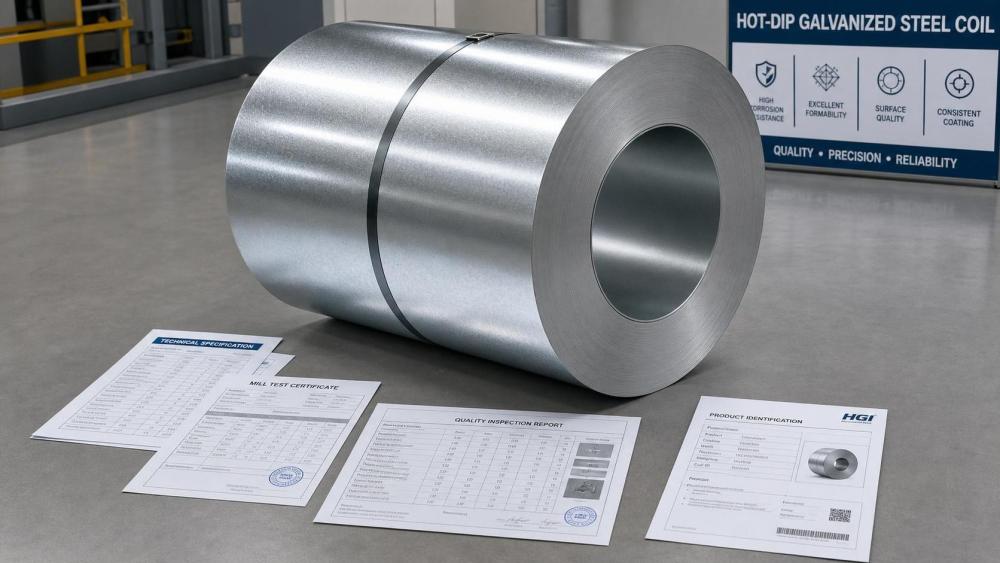
Problem Six: Claims Are Managed Too Late
Problem Six: Claims Are Managed Too Late should be handled as a business and technical decision, not as a short purchasing note. For roofing sheet producers, wall panel factories, ducting suppliers, steel distributors, and light fabrication buyers, the material must fit corrugating, roll forming, cutting to sheet, stamping, duct production, and general resale. If the inquiry does not describe these conditions, a supplier may quote a product that sounds correct but fails to match the actual production route, warehouse practice, or customer acceptance standard. A clearer request gives both sides a shared reference before price, delivery, and documents are discussed.
The practical way to reduce white rust, unclear zinc coating, wet packing, forming cracks, surface claims, and document disputes is to turn each assumption into a written field. Buyers should record the target application, dimensional range, surface expectation, packing method, inspection scope, and document package. This does not make sourcing slower; it makes comparison easier. When every quotation answers the same fields, the buyer can see whether a lower offer is genuinely efficient or simply missing an item that will become expensive after shipment.
For repeat orders, problem six: claims are managed too late also needs a memory system. Keep the previous specification, supplier comments, photos, inspection notes, and receiving records in one place. If the next purchase changes only one parameter, such as width, surface condition, coating level, end preparation, or packing direction, the team can review the likely effect before confirming. This habit protects buyers from quiet specification drift and keeps supplier communication factual.
Buyer Evaluation Table
Procurement Checklist
- Define the final application and processing route before asking for a final price.
- Confirm material grade, dimensional tolerance, surface expectation, packing method, and label format in writing.
- Ask whether the offer is based on ready stock, planned production, or mixed availability.
- Request inspection photos, test records, and document samples when the order has project or resale risk.
- Check whether transport, unloading, and storage conditions could affect surface quality before use.
- Keep a repeat-order specification sheet so future shipments can be compared against the approved lot.
FAQ
Does higher zinc coating always solve corrosion complaints?
Not by itself. Zinc coating helps, but storage discipline, installation environment, cut-edge exposure, surface treatment, and packing condition also matter.
Why does white rust appear even on new galvanized coil?
White rust can occur when moisture is trapped against the zinc surface with limited air circulation. It is often linked to wet packing, condensation, long storage, or delayed inspection after arrival.
Should buyers request samples for galvanized coil?
Samples can help when appearance, forming behavior, or coating compatibility is uncertain. For repeat orders, a detailed specification and inspection plan may be more useful than a small sample alone.
This article is buyer-facing guidance prepared for external publishing. It avoids fabricated prices, unsupported project claims, invented case numbers, and overstated performance promises. Before upload, the publisher should check formatting, image placement, and terminology against the destination portal's house style.Editorial Review Note
Related News
- 00
0000-00
Which sectors are driving demand in the chemical engineering market? - 00
0000-00
How to assess lifecycle emissions from CCUS for low-carbon cement - 00
0000-00
How do energy storage technologies compare for 8-hour discharge? - 00
0000-00
Do mill test reports prove industrial alloys meet ASTM standards? - 00
0000-00
How to verify plastic recycling system suppliers' throughput claims
Related tags
Weekly Insights
Stay ahead with our curated technology reports delivered every Monday.