




Tinplate Explained: What Buyers Should Know Before Sourcing Steel Packaging Material




For packaging producers, can makers, printed metal sheet processors, general distributors, and steel service centers, tinplate is a practical material category that connects steel strength with a thin metallic surface layer designed for processability, appearance, and corrosion-control needs in selected applications.
The product is often discussed in a simple way: tin plated steel for cans, containers, closures, and metal packaging. In real procurement, however, the buying decision is more detailed. Buyers need to consider base steel, temper, thickness, tin coating, surface finish, passivation or oiling condition, sheet or coil format, printing compatibility, forming behavior, storage discipline, and export packaging. When these points are not clearly defined, a material that looks acceptable in a quotation can still create production losses later.
A basic understanding of tin plated steel helps procurement teams ask better questions before placing an order. It also helps technical, printing, forming, and warehouse teams communicate in the same language. This is especially useful for buyers who serve several downstream customers, because food packaging, chemical containers, decorative tins, aerosol components, and general metal closures may not share the same specification priorities.
What Tin Plated Steel Means in Practical Terms
Tin plated steel generally refers to a thin steel substrate coated with tin. The steel provides the structural body, while the tin surface contributes appearance, solderability in some applications, and a degree of protection for suitable uses. The product may be supplied in sheets or coils depending on the buyer's processing route.
The material is often used where buyers need a combination of formability, surface quality, and efficient production. It can be printed, cut, stamped, formed, seamed, or shaped into packaging components. Because the final product is often visible and sometimes used in sensitive packaging environments, surface condition and specification clarity are very important.
It is important to understand that tin plated steel is not a single universal material. Thickness, temper, coating weight, finish, and treatment can vary. A buyer sourcing for decorative boxes may care about print appearance and surface smoothness. A buyer sourcing for containers may care about forming reliability and seam performance. A distributor may focus on broad usability and stock turnover.
Why Buyers Choose Tin Plated Steel
Buyers choose this material because it offers a useful balance of strength, workability, and surface appearance. The steel substrate supports production of relatively thin yet firm packaging parts. The tin surface can support attractive visual presentation and practical handling in many packaging-related applications. This combination explains why it remains relevant even as packaging materials continue to diversify.
Another reason is process familiarity. Many metal packaging lines are built around known sheet sizes, coil widths, temper ranges, coating descriptions, and printing workflows. When a buyer can source consistent material, the downstream factory can reduce trial time, improve production stability, and lower the risk of customer complaints.
At the same time, buyers should avoid treating every order as interchangeable. A low-priced offer may not be suitable if the product will be printed, deeply drawn, bent sharply, or stored for a long period before processing. The real value of the material depends on whether it fits the end use and production equipment.
Key Specification Points for Procurement
Application Differences Buyers Should Understand
Metal packaging is a broad field. A decorative tin box, a food container, a chemical can, and a closure component may all use tin plated steel, but they do not create the same buying requirements. Decorative applications often focus on print quality, surface smoothness, and visual consistency. Formed containers may emphasize temper, thickness, coating, and production reliability.
For printed sheet applications, surface cleanliness and flatness are critical. If the surface is not suitable for printing or coating, the buyer may face rejection during decoration before the material reaches forming. For stamping or drawing, mechanical behavior becomes more important. The material must support the intended shape without excessive cracking, wrinkling, or tool wear.
Export distributors should think about local customer mix. If the same inventory may serve multiple packaging factories, the chosen specification should be practical for common demand rather than optimized for one narrow use. This is where supplier communication becomes valuable: the buyer should explain the main customer applications instead of requesting only a generic grade.
Storage and Handling Basics
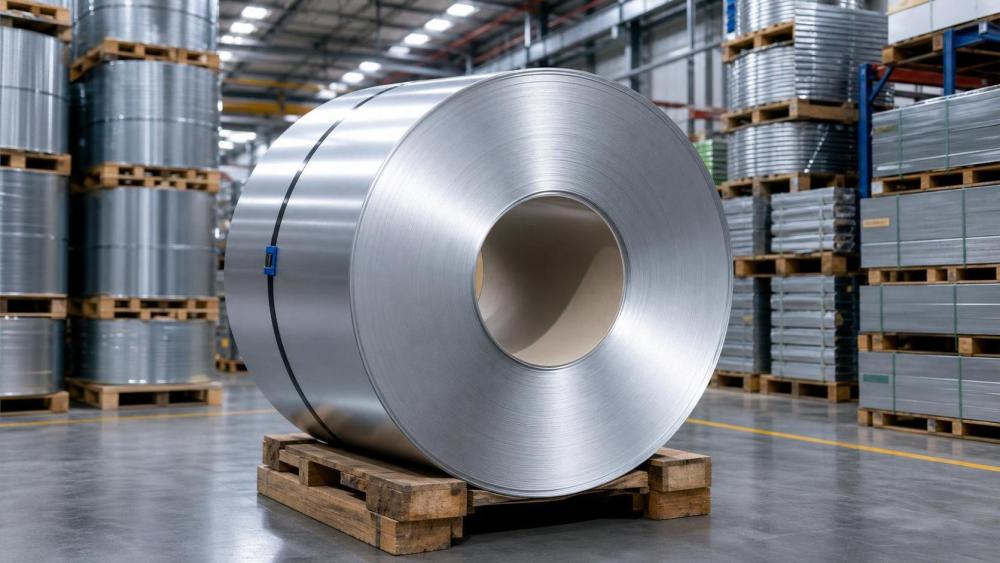
Surface-sensitive steel products need careful storage. Moisture, condensation, rough handling, torn packaging, and long exposure in unsuitable warehouses can affect the material before it is processed. Buyers should plan storage conditions before placing a large order, especially when importing material by sea or holding stock for several customers.
Coils and sheets should be kept dry, protected, and clearly labeled. If the material is opened for inspection, it should be re-protected properly. Warehouse teams should avoid dragging sheets, damaging edges, or stacking material in a way that creates dents or deformation. Good procurement can be undermined by poor receiving and storage practice.
Export packaging should also be discussed before shipment. Buyers can ask for packing photos, label photos, and clear descriptions of moisture protection and handling method. These details reduce disputes at arrival and help warehouse teams identify material correctly.
Common Misunderstandings in Tinplate Buying
One common misunderstanding is that tin plated steel is chosen only by thickness. Thickness matters, but it does not define forming behavior, surface finish, coating condition, or printing suitability. Buyers who compare only thickness and price may miss important performance differences.
Another misunderstanding is that all packaging uses need the same material. In practice, end use determines the right balance of hardness, coating, finish, size, and handling. A product suitable for one container type may be inefficient for another.
A third misunderstanding is that packaging damage is only a supplier problem. Long-distance logistics, warehouse storage, local unloading, and internal movement all influence surface condition. Buyers should treat packaging and handling as shared risk-control steps.
Pre-Order Checklist
- Define the final packaging or metal-processing application before requesting a quotation.
- Confirm thickness, width, sheet size or coil weight, tolerance, and equipment compatibility.
- Discuss temper, forming behavior, surface finish, and coating expectations.
- Clarify whether printing, coating, stamping, drawing, bending, or seaming will be required.
- Ask for packing details that match export shipping, local unloading, and warehouse storage.
- Confirm labels, product descriptions, and any documents needed by the buyer or end customer.
- Use sample checks or trial production when entering a new application or supplier relationship.
- Record production feedback so future orders can be refined instead of restarted from zero.
FAQ
Is tin plated steel used only for food cans?
No. It is widely associated with food cans, but it may also be used for decorative tins, closures, general containers, aerosol-related components, printed metal sheets, and other packaging or light metal products depending on the specification.
What should buyers confirm before ordering?
Buyers should confirm application, thickness, temper, coating description, surface finish, size, packing, storage plan, and any printing or forming requirements.
Why does temper matter?
Temper affects forming behavior and stiffness. If it does not match the process, the buyer may face cracking, shape issues, poor production speed, or unnecessary tooling pressure.
When is a trial order useful?
A trial order is useful when the buyer is changing supplier, testing a new packaging application, adjusting printing requirements, or using the material on a production line with strict forming expectations.
Final Buying View
Tin plated steel is best purchased through a practical application-first process. Buyers should connect material specification with printing, forming, storage, packaging, and customer acceptance requirements. When the inquiry includes these details, suppliers can respond with more relevant options, and buyers can reduce the risk of production loss, surface complaints, and mismatched inventory.
Editorial Review Note
This article is buyer-facing guidance for tin plated steel and metal packaging material procurement. It avoids fabricated prices, unsupported market statistics, invented certifications, and made-up project cases. Final upload should be checked against the destination portal's house style, category rules, and editorial formatting requirements.
Related News
- 00
0000-00
Which sectors are driving demand in the chemical engineering market? - 00
0000-00
How to assess lifecycle emissions from CCUS for low-carbon cement - 00
0000-00
How do energy storage technologies compare for 8-hour discharge? - 00
0000-00
Do mill test reports prove industrial alloys meet ASTM standards? - 00
0000-00
How to verify plastic recycling system suppliers' throughput claims
Related tags
Weekly Insights
Stay ahead with our curated technology reports delivered every Monday.