




Polypropylene Demand Is Rebalancing: Why Global Resin Buyers Are Rethinking Supply Strategies




The global chemical raw materials market is moving through a practical reset. Buyers are no longer making resin procurement decisions based only on short-term price changes. Instead, they are looking more carefully at supply stability, grade selection, export service, documentation accuracy, logistics reliability, and downstream application flexibility. In this environment, Polypropylene (PP) continues to stand out as one of the most important plastic resins in international trade.
Polypropylene is widely used across packaging, injection molding, nonwoven fabrics, automotive parts, household appliances, PP-R pipes, disposable tableware, medical devices, woven bags, and BOPP film. Its popularity comes from a useful combination of low density, good heat resistance, chemical resistance, electrical insulation, food-grade potential, and processing adaptability. For global buyers, this makes PP more than a basic commodity resin. It is a strategic raw material that supports many manufacturing chains at once.
Demand Is Becoming More Grade-Specific
One clear trend in the PP market is the shift from general procurement to grade-specific purchasing. A packaging producer may need material suitable for BOPP film or woven bags. An injection molding factory may focus on melt flow index, rigidity, shrinkage, and impact performance. A nonwoven producer may require high-flow PP for stable fiber formation. A pipe manufacturer may need PP-R grades with long-term pressure resistance.
This means buyers are paying closer attention to whether the supplier understands homopolymer PP, random copolymer PP, and impact copolymer PP. Each type serves different processing and application needs. Homopolymer PP is often valued for rigidity and strength. Random copolymer PP is useful where transparency and improved flexibility are important. Impact copolymer PP is preferred in automotive, appliance, and industrial products that require better toughness.
For chemical raw material suppliers, this creates both pressure and opportunity. The market rewards suppliers that can provide accurate specifications, stable quality, and practical grade guidance.
Packaging Still Anchors the Market
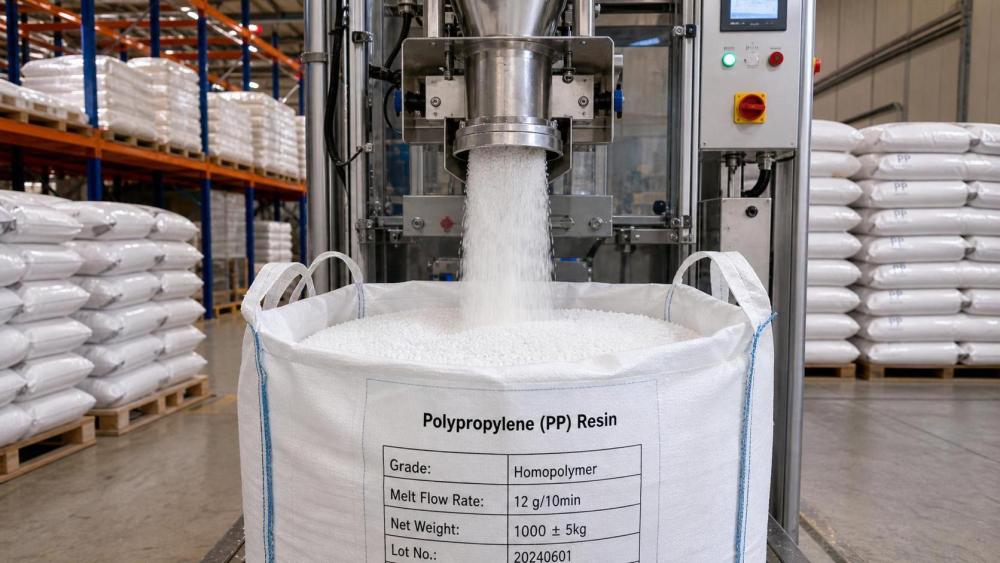
Packaging remains one of the strongest drivers of polypropylene consumption. Woven sacks, flexible packaging, food containers, caps, closures, labels, and BOPP film all rely heavily on PP. As food distribution, agricultural supply chains, e-commerce, and consumer goods markets expand, PP demand continues to receive support from packaging applications.
However, the packaging market is changing. Buyers are seeking thinner, stronger, lighter, and more efficient materials. They want resin grades that help reduce material usage while keeping performance stable. This makes processability and consistency more important. If a resin batch causes unstable film formation or molding defects, the real cost becomes much higher than the purchase price difference.
Global packaging manufacturers therefore prefer resin suppliers that can offer consistent batches, suitable documentation, and responsive export support.
Injection Molding Creates Stable Industrial Demand
Injection molding remains another major demand area for polypropylene. PP is used in storage boxes, appliance parts, automotive components, containers, fittings, household goods, toys, caps, and technical parts. Its low density and balanced mechanical properties make it attractive where producers want both lightweight performance and cost control.
In this segment, processing stability is critical. Buyers care about melt flow index, tensile strength, flexural modulus, heat resistance, and impact behavior. A resin that processes smoothly helps reduce cycle instability, scrap rates, and finished-product defects.
This is why PP buyers are becoming more selective. They increasingly prefer suppliers who can provide not only product availability but also clear specifications, stable packaging, third-party inspection options, and reliable shipment timing.
Nonwoven and Hygiene Applications Remain Important
Polypropylene also plays an important role in nonwoven fabrics. Hygiene products, medical supplies, masks, filtration materials, protective clothing, and industrial nonwoven products all use PP-based materials. While demand patterns may fluctuate by region, the long-term need for hygiene, healthcare, filtration, and protective products remains meaningful.
For nonwoven producers, resin performance can directly affect fiber formation, softness, strength, and production efficiency. High-flow PP grades are often needed for stable melt-blown or spunbond processes. This makes supplier reliability especially important because production lines are sensitive to raw material variation.
As healthcare and hygiene markets continue to develop globally, PP remains well positioned in this application field.
Automotive and Appliance Markets Support Lightweighting
Lightweighting is another long-term trend supporting PP demand. Automotive manufacturers use polypropylene in interior parts, bumpers, battery cases, under-hood components, and functional molded parts. Appliance producers use it in housings, containers, internal structures, and everyday plastic parts.
Compared with heavier materials, PP helps reduce weight while maintaining useful strength and chemical resistance. This is especially important as manufacturers try to reduce transportation weight, improve energy efficiency, and control production costs.
The trend does not mean every application will move to PP, but it does mean polypropylene remains one of the most competitive resins for large-volume molded parts.
Supply Chain Diversification Is Changing Buyer Behavior
Recent years have made chemical raw material buyers more cautious. Freight disruptions, raw material price swings, port delays, currency shifts, and regional demand changes have all encouraged buyers to diversify their supplier base.
For polypropylene procurement, this means buyers are no longer looking only for the cheapest quote. They are evaluating whether a supplier can respond quickly, provide clear documents, support trial orders, manage container loading, arrange inspection, and maintain stable communication. In international chemical trade, service reliability can decide whether a transaction moves smoothly.
Suppliers located in strong chemical industry regions with mature port access can benefit from this shift. Buyers want partners who understand both material supply and export execution.
Documentation and Compliance Are Becoming More Important
In global resin trade, documentation is no longer a minor detail. Buyers may need certificates of analysis, MSDS, origin documents, food-contact compliance information, customs documents, and packaging details. For some applications, regulatory requirements can affect whether the material can be used in food packaging, medical-related products, or consumer goods.
This is why professional chemical suppliers need strong documentation capability. A delayed or inaccurate document can slow customs clearance or disrupt production schedules. A supplier that can provide accurate paperwork and timely communication gives buyers more confidence.
For PP exporters, service quality becomes part of the product value.
Price Volatility Makes Strategic Purchasing Necessary
Polypropylene prices are influenced by crude oil, propylene feedstock, plant operating rates, logistics costs, and downstream demand. When prices move quickly, buyers may delay orders, split purchases, or seek alternative suppliers. But manufacturing cannot stop indefinitely. Factories still need raw materials for ongoing production.
This creates a more strategic purchasing environment. Buyers may secure container-level supply, compare regional offers, monitor freight trends, and build flexible inventory plans. PP’s wide application base makes it a key material in this planning process.
The strongest buyers are not simply chasing the lowest price. They are building supplier networks that combine competitive pricing, stable quality, clear specifications, and dependable export service.
Sustainability Is Reshaping Resin Conversations
Sustainability is also influencing the PP market. Manufacturers are under pressure to reduce waste, improve recyclability, use lighter packaging, and design more efficient products. Polypropylene is widely used in recyclable applications, and its low density helps reduce material weight.
At the same time, buyers are asking more questions about responsible sourcing, consistent quality, and efficient processing. Resin suppliers that understand these concerns can communicate better with downstream manufacturers.
The future of PP demand will likely depend not only on volume growth but also on how well the material supports lighter, cleaner, and more efficient product designs.
Outlook for Global PP Buyers
Looking ahead, Polypropylene (PP) is likely to remain one of the most resilient plastic resins in global trade. Its demand base is broad, spanning packaging, injection molding, nonwoven fabrics, medical supplies, appliances, automotive parts, pipes, and consumer goods. Even if one sector weakens, another may continue to support market activity.
For buyers, the key is to choose suppliers that can provide stable grades, clear specifications, export documentation, flexible MOQ support, and reliable shipment execution. For suppliers, the opportunity is to move beyond simple resin sales and become practical procurement partners.
In a market shaped by volatility, application-specific demand, and supply chain caution, Polypropylene is not just another chemical raw material. It is a strategic resin that helps global manufacturers stay flexible, cost-efficient, and ready for changing market demand.
Related News
- 00
0000-00
Which drilling systems are suited to long-lateral shale wells? - 00
0000-00
Which sectors are driving demand in the chemical engineering market? - 00
0000-00
How to assess lifecycle emissions from CCUS for low-carbon cement - 00
0000-00
How do energy storage technologies compare for 8-hour discharge? - 00
0000-00
Do mill test reports prove industrial alloys meet ASTM standards?
Related tags
Weekly Insights
Stay ahead with our curated technology reports delivered every Monday.