




How to prioritize energy transition projects in manufacturing




Prioritizing energy transition for manufacturing requires more than choosing the lowest-carbon technology. Decision-makers must balance emissions reductions, capital costs, operational reliability, and supply chain risks against business objectives. From energy efficiency upgrades to electrification and industrial energy storage, each project presents different opportunities and trade-offs. A structured approach helps manufacturers compare options, allocate resources effectively, and build a practical roadmap.
Start with the plant’s constraints, not a technology shortlist
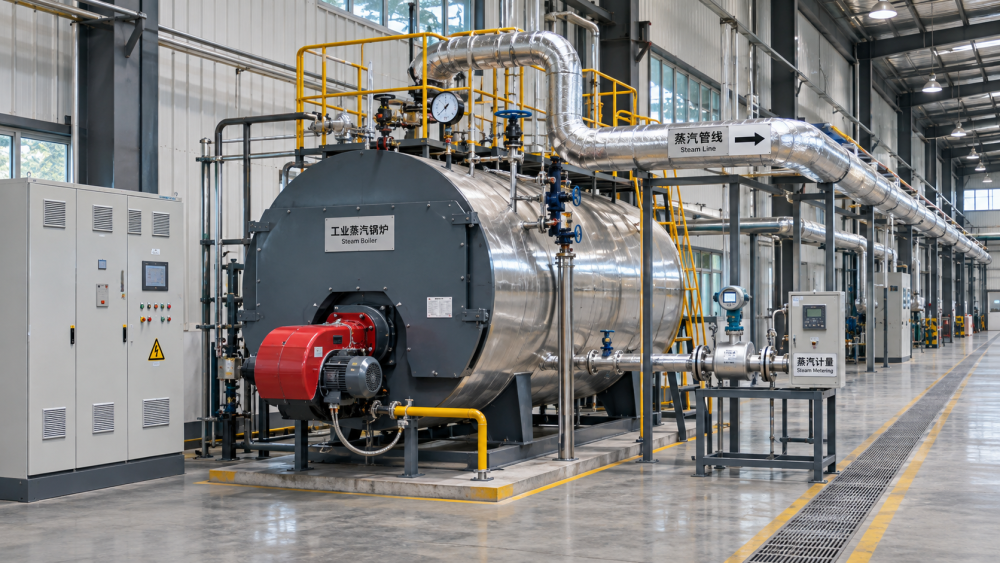
A manufacturing site rarely has one energy problem. It may have an aging boiler, a constrained electrical connection, variable production demand, and limited opportunities for shutdowns. A project that looks attractive in a corporate presentation can become difficult once it meets those realities.
Map energy use to the production processes that drive it: steam generation, process heating, compressed air, cooling, motors, and materials handling, as relevant to the site. Record equipment age, operating hours, maintenance issues, fuel use, and the quality of available metering. Where measurements are missing, identify the assumptions that could change the investment decision.
Pay particular attention to temperature requirements and production schedules. Low-temperature washing or drying may be a plausible electrification candidate, while a high-temperature furnace may need a different technical assessment. A plant with frequent product changeovers also needs to consider turndown capability, restart times, and product quality—not just performance at full load.
Compare projects on the same decision basis
Create a shortlist that includes both small operational improvements and larger capital projects. Then compare each option against the same baseline and planning period. That prevents a quick-payback repair from being judged by one set of assumptions and a long-lived electrification project by another.
At a minimum, decision-makers should ask for:
- Operational impact: What changes in output, quality, maintenance, staffing, or shutdown requirements are expected?
- Total project cost: What must be spent beyond the main equipment, including engineering, controls, civil works, electrical upgrades, commissioning, and disposal?
- Emissions impact: Which emissions are reduced, which may shift elsewhere, and what electricity or fuel assumptions underpin the estimate?
- Delivery confidence: Are the technology, supplier capacity, permits, site access, and required utility services sufficiently understood?
Payback is useful, but it is not a complete ranking method. A boiler replacement, for example, may deserve attention because the existing unit is near the end of its service life, even if another project has a shorter calculated payback. Conversely, a strong headline return should not outweigh an untested effect on a critical production line.
Use a weighted scorecard if it helps make trade-offs visible, but set minimum conditions before scoring. A project that cannot meet product specifications or site safety requirements should not advance simply because its emissions score is high. Keep the underlying cost, emissions, and reliability assumptions visible alongside the final score.
Efficiency often comes first—but not in isolation
Reducing wasted energy can make later investments smaller and easier to justify. Repairing steam leaks, improving insulation, reviewing compressed-air pressure, and tuning controls are worth investigating where those systems are material users. The right measure depends on how the plant actually operates; equipment left running during idle periods can be as relevant as equipment efficiency on a specification sheet.
There is a sequencing trap, however. A major investment in extending an inefficient fuel-fired system may compete with an electrification project planned soon afterward. Before approving either, compare the remaining asset life with the expected timing of the wider transition. Sometimes a modest repair is the sensible bridge; sometimes replacement should be assessed immediately.
Test electrification against the real power supply
Electric boilers, heat pumps, electric furnaces, and other technologies solve different problems. Their suitability depends on the process temperature, required heat output, operating profile, and available integration points. Ask vendors for performance information at the conditions the plant expects to see, including part-load operation, rather than relying only on rated capacity.
The electrical system may be the deciding constraint. Check transformer and switchgear capacity, connection requirements, protection systems, and the utility’s expected timeline for additional supply. Model the tariff structure as well as energy consumption: a technology that lowers fuel use may increase exposure to peak demand charges or price volatility.
Emissions calculations need equal care. Replacing combustion with electricity generally changes both the location and source of emissions. Compare the expected electricity supply with the fuel being displaced, state the accounting method, and test how the result changes under different grid or procurement assumptions. Do not treat an electric process as automatically emissions-free.
Use storage and alternative fuels for a defined operational need
Industrial energy storage can help manage when electricity is used, support certain resilience objectives, or complement on-site generation. But a battery sized for peak management is not necessarily capable of keeping an entire factory running during an outage. Define the loads, duration, switching requirements, and safety arrangements before requesting a proposal.
Alternative fuels require similar discipline. A lower-carbon fuel may fit existing thermal processes better than immediate electrification, but availability, delivered cost, handling, combustion characteristics, and lifecycle emissions need examination. For biofuels or other substitutes, confirm what the equipment manufacturer permits and whether fuel quality can be maintained under the proposed supply contract.
Carbon capture deserves a separate screening question: is there a sufficiently concentrated and dependable emissions stream, and is there a credible route for transport and storage or use? Capture equipment alone is not a complete project. Space, utilities, operating costs, and downstream infrastructure can materially change the decision.
Turn the ranking into an investable sequence
Group shortlisted projects by readiness rather than ambition alone. Approve measures with a well-understood business case and manageable implementation risk; develop the engineering and metering needed for promising but uncertain options; and defer projects that depend on unavailable infrastructure or unresolved technical questions. Deferral should come with a review trigger, such as an asset replacement date or a confirmed utility upgrade.
For procurement, compare more than purchase prices. Check equipment specifications against process conditions, clarify commissioning and service responsibilities, and examine spare-parts availability and supplier capacity. Technical knowledge, supplier references, and market information from resources such as GEMM can help teams organize that comparison, but project-specific claims still need verification with suppliers and engineers.
Before committing capital, assign an owner to each major assumption and agree how performance will be measured after commissioning. If the ranking changes substantially when electricity prices, production hours, or connection timing change, that is not a reason to abandon the analysis. It is a sign that those uncertainties need to be resolved—or explicitly accepted—before the project moves forward.
Related News
- 00
0000-00
How to verify product purity claims from chemical feedstock distributors - 00
0000-00
Will feedstock availability constrain biofuel production in 2026? - 00
0000-00
How to select corrosion-resistant agrochemical manufacturing reactors - 00
0000-00
How to verify an injection molding supplier in China - 00
0000-00
How to account for supplier lead times in raw material supply chain planning
Weekly Insights
Stay ahead with our curated technology reports delivered every Monday.