




How Can Producers Assess Biofuel Feedstock Availability in 2026?




Producers assessing biofuel feedstock availability in 2026 should start with the volume they can receive, qualify, and process each month. National production totals and supplier capacity claims provide useful context, but a sourcing plan needs a narrower measure: material that meets plant specifications, satisfies the intended fuel market’s requirements, and can reach the facility at an acceptable delivered cost.
The strongest assessment combines regional supply estimates with evidence from individual suppliers, then compares feedstocks on usable fuel output and delivery reliability. Agricultural crops, waste oils, animal fats, and lignocellulosic residues have different constraints. A material that looks plentiful may already have committed buyers; an inexpensive residue may become costly after collection, drying, storage, and processing. Producers should establish these limits before counting any volume toward their operating plan.
Define availability around the plant’s actual requirements
A feedstock assessment needs a clear boundary. Specify the production pathway, facility location, operating schedule, acceptable material characteristics, and destination market for the fuel. Without these boundaries, estimates can combine resources that have little practical value to the same producer.
An ethanol facility evaluating grain cannot treat nearby agricultural residues as an immediate substitute. A plant processing oils and fats may have some flexibility across feedstocks, but that flexibility depends on pretreatment equipment, process design, operating limits, and product requirements. Alternative materials should enter the supply calculation only after their compatibility has been established.
Separate supply into three levels:
- Potential regional supply: material generated or produced within a defined sourcing area.
- Commercially accessible supply: the share available after existing uses, collection limitations, supplier commitments, and transport constraints are considered.
- Plant-qualified supply: accessible material that meets technical and sustainability requirements and can be delivered within the procurement budget.
These levels help explain why a large regional resource can support a much smaller dependable purchase volume. For residues, the gap may reflect collection losses and competing agricultural uses. For traded oils, it may reflect existing contracts, export demand, or documentation requirements.
Assess availability by month as well as by year. Harvest timing, storage capacity, weather disruption, and transport schedules can leave a facility short even when annual supply appears sufficient. A producer planning continuous operation needs a delivery profile that matches consumption, supported by realistic inventory assumptions.
Compare feedstock families by the constraint that limits supply
A useful comparison asks what prevents each candidate from becoming dependable plant supply. The answer differs by feedstock family, so a single ranking by regional tonnage or purchase price can be misleading.
Crop-based feedstocks: visible production, competing buyers
Grain, sugar crops, and vegetable oils can offer established production and trading channels where suitable infrastructure exists. Crop estimates, processing statistics, and trade records may provide a relatively clear starting point for assessing regional volumes.
However, those volumes serve multiple markets. Food, animal feed, industrial processing, and exports can affect what a biofuel producer can secure and at what price. Crop output also needs to be interpreted alongside inventories and existing demand: a strong harvest does not automatically create a large uncommitted surplus.
For oilseed-based sourcing, distinguish seed production from oil availability. Crushing capacity, plant utilization, product allocation, and logistics influence the amount of oil that can reach a fuel facility. Counting total seed tonnage as available oil would overstate supply.
Crop-based options deserve closer consideration where the plant can access established handling infrastructure and suppliers can demonstrate deliverable volumes. Their main assessment challenge is often the cost and continuity of competing for those volumes.
Waste oils and animal fats: collection and traceability define the pool
Used cooking oil and animal fats require an assessment of collection systems, aggregation networks, and material identity. Supply may originate from many small sources before reaching a processor or trader. A supplier’s offered volume can therefore depend on collection coverage, upstream agreements, storage arrangements, and other buyers.
Ask whether the seller controls collection, purchases through intermediaries, or trades material already aggregated elsewhere. These arrangements expose the producer to different interruption and verification risks. Several apparently independent sellers may rely on the same upstream collector.
Quality also changes the usable volume. Water, solids, free fatty acids, and other contaminants can affect handling, pretreatment, or conversion, depending on the process. A sample demonstrates the quality of that sample; it does not establish consistency across future deliveries.
Waste designation alone does not establish eligibility for every fuel market or incentive scheme. Producers need to evaluate the applicable classification, origin evidence, and chain-of-custody requirements. Material that lacks the necessary documentation may remain technically usable while losing access to an intended commercial outlet.
Agricultural and forestry residues: gross volume can hide recovery costs
Residue estimates require particular care because generated biomass and recoverable biomass are different measures. Some material must remain in place for soil protection or other management needs. Some already serves animal bedding, heat generation, or other uses. Collection can also be limited by terrain, weather, equipment availability, and the short window between field operations.
For a producer, dispersed material becomes available only when someone can gather, prepare, store, and deliver it economically. Moisture, bulk density, ash, and contamination can affect both logistics and conversion performance. Expanding the sourcing radius may add substantial estimated tonnage while adding relatively little affordable supply.
Concentrated residues at mills or processing sites can offer simpler collection logistics than dispersed field residues. They still need a demand assessment: a concentrated stream may already supply an established customer or support the site’s own energy needs.
Compare residue sources using recoverable dry material and expected plant performance. Wet delivered tonnes alone can distort both supply estimates and cost comparisons.
Build a regional estimate that suppliers can substantiate
Begin with a sourcing area defined by actual transport options. Road distance, rail access, port handling, seasonal access, and loading capacity matter more than a simple circle drawn around the facility. Separate local collection from long-distance purchases because their costs and disruption risks differ.
Use the most recent relevant agricultural, industrial, trade, and waste-management data available, while checking what each dataset measures. Production, exports, processing capacity, and waste generation describe different parts of the supply system. They should not be added together without accounting for overlap.
For a 2026 plan, distinguish observed supply from forecasts and proposed capacity. A collection expansion or new processing facility should contribute to dependable supply only when its timing, operating readiness, upstream access, and delivery capability support that assumption. Until then, it belongs in a separate scenario.
Next, subtract existing uses and practical losses. The aim is to estimate the share that can enter the procurement market without counting the same material twice. This is especially relevant when several aggregators operate in the same region or when domestic production also appears in export statistics.
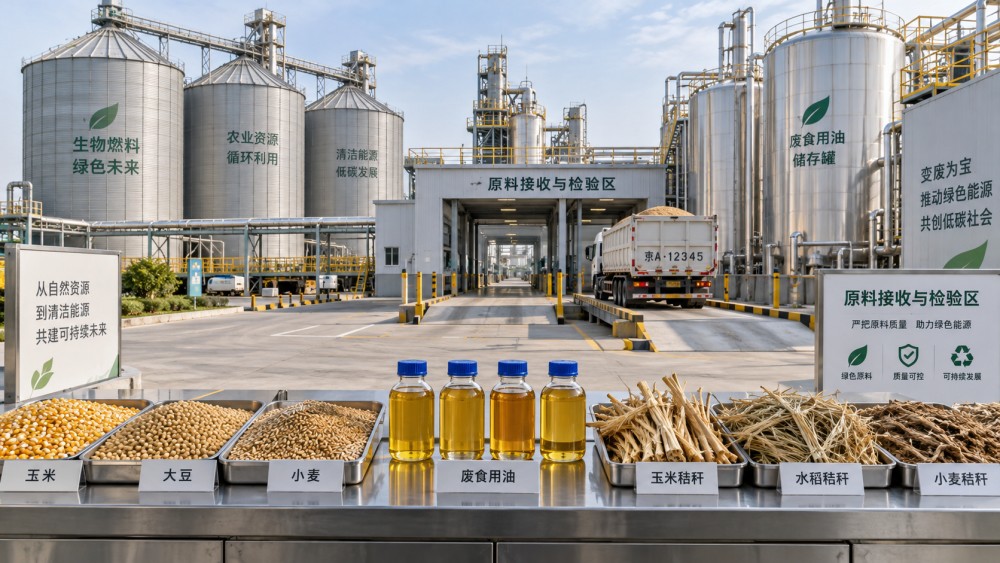
Supplier verification should connect offered tonnage to identifiable sources and a delivery mechanism. Request evidence proportionate to the purchase: source locations, historical shipments, collection or purchase arrangements, storage capacity, and transport access. For new supply, examine the assumptions behind the proposed ramp-up rather than treating nameplate capacity as demonstrated output.
A practical supplier review should answer five questions:
- What material does the supplier control, and what must it obtain from others?
- How much volume is already committed during the intended delivery period?
- What evidence supports quality consistency across deliveries?
- Which documents establish origin and eligibility for the intended fuel market?
- What limits the supplier’s ability to deliver during its weakest month?
Reconcile supplier claims with the regional estimate. If offered volumes exceed plausible accessible supply, investigate overlapping sources, imported material, inventory releases, or differences in classification. The discrepancy may have a legitimate explanation, but it should be resolved before the volumes enter a financing model or operating plan.
Compare the cost of usable output, then test delivery resilience
Purchase price is only one component of feedstock economics. Producers should compare the cost of qualified material delivered to the plant, including freight, handling, storage, preparation, testing, expected losses, and any additional processing burden.
Use a common basis for each comparison. For wet biomass, distinguish dry matter from water. For oils and fats, account for impurities and pretreatment requirements. Where feedstocks produce different conversion yields, compare their contribution to saleable fuel output using plant-relevant assumptions. A cheaper incoming tonne may produce less useful output or consume more processing capacity.
Trial deliveries can reduce uncertainty before a large commitment. Evaluate representative variability as well as average composition, including material from different sources or seasons where relevant. The question is whether the plant can operate within acceptable limits across the expected supply range.
Commercial terms determine how much of that technically suitable supply becomes dependable. Compare delivery windows, minimum commitments, quality acceptance procedures, rejection rights, pricing mechanisms, and responsibility for freight. A spot quotation and an enforceable supply commitment provide different levels of operational confidence, even when they show the same nominal volume.
Then stress-test the sourcing plan against its actual weaknesses. A crop-based plan might examine lower harvest output and stronger competing demand. A waste-oil plan might test the loss of a major collector or failure of required origin documentation. A residue plan might test a shortened collection window or higher drying costs.
Measure the resulting monthly shortfall, replacement cost, and effect on plant throughput. Avoid applying an arbitrary percentage reduction to every source if the causes of disruption are different. The scenario should reveal which constraint would interrupt production and what response remains available.
Diversification also needs a closer look than supplier count. Multiple sellers using the same port, collection network, or processing site can share a single point of failure. An alternative feedstock provides useful backup only if the plant can accept it, the supplier can deliver it when needed, and the resulting fuel retains its intended market access.
Turn the assessment into a procurement decision
A decision-ready 2026 assessment should show qualified monthly volume, delivered cost assumptions, supporting evidence, and the main reason each source could fall short. This makes comparisons more useful than a list of suppliers or a headline estimate of regional resources.
Allocate core operating demand to sources with demonstrated capability and workable commitments. Treat additional accessible volumes as flexibility, with clear conditions for securing them. Keep proposed collection networks, unqualified materials, and uncertain eligibility outside the base supply case until the relevant evidence is available.
Refresh the assessment when changes could alter procurement decisions: revised crop expectations, competing plant demand, freight conditions, supplier performance, or applicable market requirements. A review has practical value when it triggers an action, such as advancing purchases, adjusting inventory, qualifying another source, or revising the production schedule.
The final test is concrete: can the producer explain where each required month’s feedstock will come from, why it qualifies, what it will cost to use, and how the plant will respond if it fails to arrive? Any unresolved part of that answer identifies the next piece of sourcing work.
- Last One:No more articles
- Next Article:How to Choose an Engineering Contractor for a Refinery UpgradeOct 16, 2026
Related News
- 00
0000-00
How energy costs are shaping the global heavy industry outlook - 00
0000-00
Which metal property standards apply to tensile testing of steel? - 00
0000-00
Can polymer processing simulation predict injection molding warpage? - 00
0000-00
An export controls compliance guide to checking U.S. license requirements - 00
0000-00
How Can Producers Assess Biofuel Feedstock Availability in 2026?
Related tags
Weekly Insights
Stay ahead with our curated technology reports delivered every Monday.