




How does the energy transition in steel affect production costs?




The energy transition in steel can raise production costs when new equipment, low-carbon electricity, hydrogen, or higher-quality raw materials cost more than the resources they replace. The effect on a particular steel price depends on the production route, plant utilization, local energy contracts, carbon costs, and the premium attached to a defined emissions performance. An electric furnace supplied with affordable scrap and electricity faces a different cost profile from a new hydrogen-based plant dependent on purchased iron ore and hydrogen.
For a meaningful comparison, express costs per tonne of saleable steel at the same product specification and plant gate. Include conversion losses, financing, maintenance, and emissions-related charges. Comparing energy prices or announced project budgets alone leaves out too much of the operating picture.
Production route determines which costs change
A conventional blast furnace and basic oxygen furnace route relies heavily on coal-derived coke for both heat and the chemical reduction of iron ore. Its cost base is sensitive to iron ore and metallurgical coal prices, as well as the cost of maintaining large, continuously operating assets. Lowering emissions through changes to this route can involve additional fuel preparation, equipment modifications, carbon capture, or purchased energy.
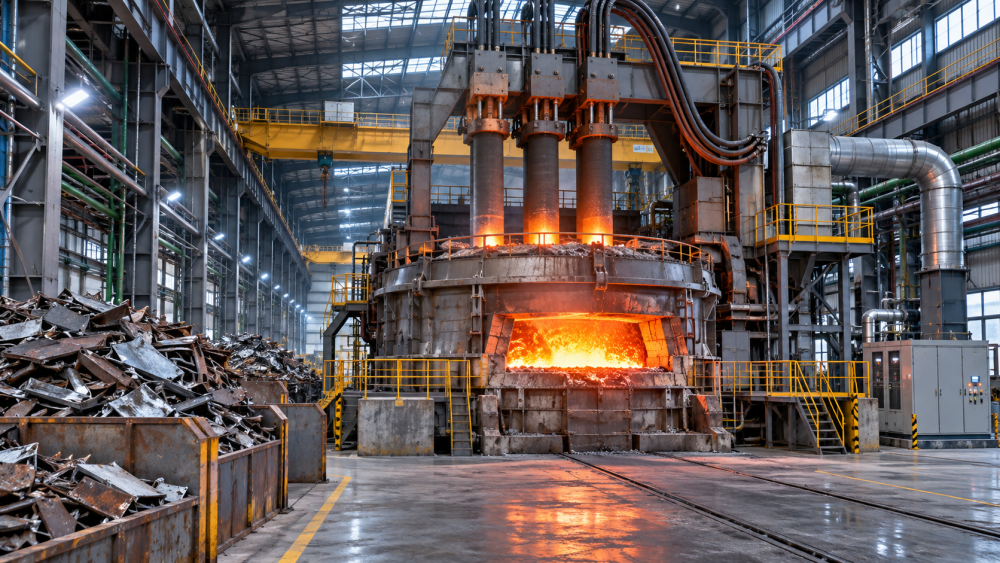
An electric arc furnace melts a metallic charge using electricity. When suitable scrap is available, it avoids much of the energy required to reduce iron ore. Its economics depend on scrap quality and price, power tariffs, electrode consumption, yield, and the grade being produced. An electric furnace does not eliminate the need for primary iron: some products require a cleaner charge than locally available scrap can provide.
Direct reduced iron, or DRI, provides another source of metallic feed. Natural gas-based DRI reduces iron ore using a gas rich in hydrogen and carbon monoxide; hydrogen-based DRI aims to replace fossil-derived reducing gas with low-carbon hydrogen. Both routes require a suitable iron-bearing feed and an energy supply for reduction, followed by melting and refining. The relevant comparison therefore includes the cost of the DRI plant, its feedstock, the reducing gas, and the furnace that turns DRI into steel.
Electricity and hydrogen: compare delivered cost, not headline price
Electrification shifts expenditure from coal and gas toward electricity, grid capacity, and electrical equipment. A quoted power price should be examined alongside transmission charges, connection costs, demand charges, and the hours for which that price is available. An attractive price during limited hours may be less valuable to a plant that needs reliable power throughout its operating schedule.
Variable renewable generation introduces a utilization question. Running an electrolyzer or furnace only when power is cheap can lower energy expenditure per operating hour, while spreading fixed costs over fewer tonnes. Grid purchases, storage, or a more flexible production schedule can improve continuity, each with its own cost. The comparison must use the same assumed operating hours across alternatives.
Hydrogen adds further conversion and delivery costs. Producing it by electrolysis requires electricity and water; the resulting gas must also be conditioned, stored, and delivered to the reduction process. Purchased hydrogen transfers some of these costs into the supply contract. Its delivered price, availability, and emissions attributes matter together: low-cost hydrogen made from a high-emissions source may do little to meet a specified steel emissions requirement.
Fuel switching can also alter the cost of by-products and heat recovery. A plant that currently uses process gases elsewhere on site may need replacement energy after a change in the ironmaking route. Omitting that lost internal energy makes the new route appear cheaper than it is.
Raw materials and product quality can outweigh the energy saving
Scrap is heterogeneous. Residual elements carried in the charge can be difficult or expensive to remove during steelmaking, particularly for grades with tight chemistry limits. Higher-quality sorted scrap, dilution with DRI or other primary metallics, and additional processing all affect the final cost. A low scrap purchase price is less attractive if contamination reduces yield or restricts the grades that can be sold.
DRI also places demands on the iron-bearing feed. Ore chemistry, gangue content, and the form of the material influence reduction performance and downstream slag generation. A project costed with an ideal feed should be tested against material that can actually be contracted and delivered. Freight, preparation, and any extra melting energy belong in the comparison.
The same distinction applies to finished steel. Two quotations with different emissions figures are not equivalent unless grade, dimensions, surface quality, delivery terms, and applicable inspection requirements match. A lower-emissions route that meets one product specification may require a different charge mix or additional processing for another.
Capital spending becomes a cost per tonne
New furnaces, reduction plants, electrical connections, hydrogen infrastructure, and carbon capture equipment require capital before they produce saleable steel. The annual cost depends on financing terms, asset life, maintenance, and expected output. A plant designed for high utilization can have a much higher fixed cost per tonne if power constraints, feedstock shortages, or slow commissioning reduce production.
Existing equipment complicates the comparison. Replacing an asset before the end of its useful life can leave unrecovered investment; retaining it can require major refurbishment and continued fuel or emissions expenditure. A retrofit may reduce initial spending but also create integration costs, production interruptions, and performance constraints. These effects belong in the project calculation alongside the equipment quote.
For carbon capture, the capture unit is only part of the expenditure. Energy for capture, compression, transport, and storage or use must be included, together with the applicable treatment of residual emissions. A capture percentage stated for one process stream should not be treated as the reduction for the entire steel product without a defined accounting boundary.
Turn the comparison into a sourcing and investment model
A useful model starts with a common unit: the delivered cost of one tonne of steel meeting the required specification. For production investments, calculate the plant-gate cost first, then add transport and any relevant border or contractual charges. For quotations, distinguish the base steel price from a separately stated low-carbon premium and establish what emissions performance that premium covers.
Use consistent boundaries when comparing emissions claims. A figure covering steelmaking alone cannot be compared directly with one that also includes raw-material extraction, electricity generation, or transport. Contract terms should identify the accounting method, reporting period, verification arrangements where applicable, and treatment of purchased energy. These details affect whether a premium corresponds to an outcome that can be used in the purchaser’s own reporting or product claims.
Test the result under a small set of coherent scenarios. Higher electricity prices should be paired with the operating hours and grid charges that would apply under those prices; a hydrogen supply assumption should include the related delivery and infrastructure costs. Include a lower-output scenario to expose the effect of fixed costs per tonne. Treat carbon charges, allowances, and border measures according to the jurisdictions and dates applicable to the transaction, rather than applying a single generic carbon price.
The cost comparison is strongest when the premium is linked to a defined product, emissions boundary, and delivery term. That makes it possible to distinguish a payment for measurable emissions performance from a price difference caused by grade, supply reliability, or transport.
Related News
- 00
0000-00
How to verify product purity claims from chemical feedstock distributors - 00
0000-00
Will feedstock availability constrain biofuel production in 2026? - 00
0000-00
How to select corrosion-resistant agrochemical manufacturing reactors - 00
0000-00
How to verify an injection molding supplier in China - 00
0000-00
How to account for supplier lead times in raw material supply chain planning
Weekly Insights
Stay ahead with our curated technology reports delivered every Monday.