




How Refining Technology Affects Yield, Energy Use, and Product Quality




Technical evaluators searching for refining technology usually want a practical answer: which process changes improve yield, reduce energy intensity, and protect product quality without creating new bottlenecks. The short answer is that refining performance is driven by how well the technology matches feedstock complexity, separation targets, utility constraints, and quality specifications. A strong technical review should compare conversion efficiency, heat integration, controllability, and the stability of final product properties, not just equipment nameplates or vendor claims.
What refining technology changes in practice
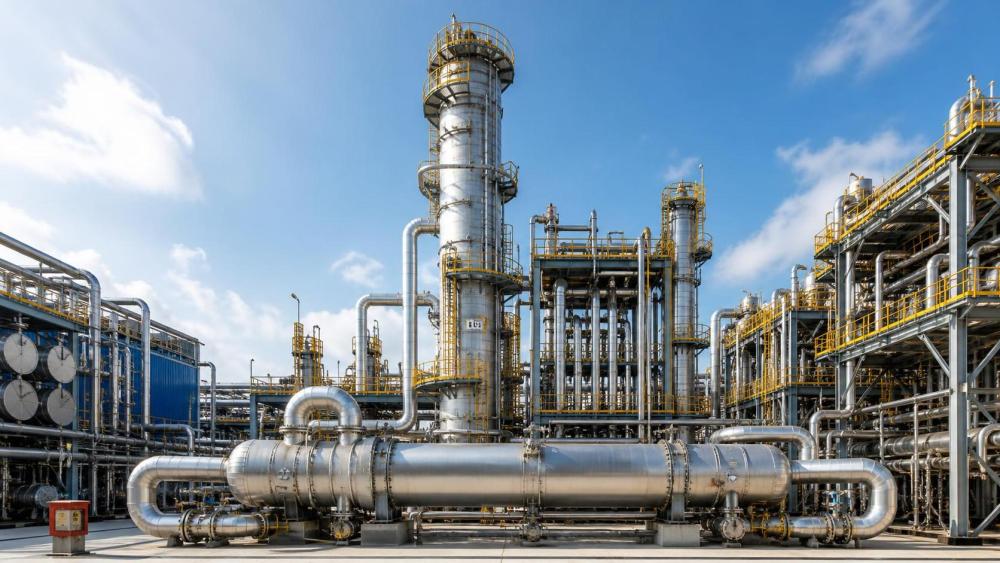
Refining technology affects three outputs at the same time: how much saleable product is recovered, how much energy is consumed per unit processed, and how consistent the finished product remains. These variables are linked, so improving one without checking the others can create hidden losses.
For example, a process that raises conversion may also increase hydrogen demand, compressor load, or separation duty. Likewise, a lower-energy configuration may deliver weaker fractionation or narrower operating flexibility. Technical evaluation works best when all three dimensions are measured together.
Yield: the first metric most teams want to improve
Yield improvements usually come from better separation efficiency, tighter cut control, reduced recycle losses, and fewer off-spec streams. In many facilities, small process changes recover value that was already present in the feed but lost in slippage, overprocessing, or poor fractionation.
Technology choice matters because different systems handle variability differently. A design with stronger temperature control, better tray or packing performance, or improved catalyst selectivity can increase recovery while keeping byproducts manageable. The evaluator should ask where the mass balance improves and what tradeoff is required.
Yield should never be read as a single percentage without context. A higher overall recovery can still be unattractive if it shifts composition toward lower-value fractions, raises downstream treatment costs, or increases blending difficulty. The useful question is whether the process raises net product value, not just gross output.
Energy use is often the real constraint
Energy performance is shaped by heat recovery, pressure profile, reaction severity, and the number of separation steps required to reach specification. In mature plants, utility cost often becomes the deciding factor because even modest efficiency gains can scale into significant operating savings.
Refining technology that reduces reboiler load, improves preheat integration, or cuts recycle compression can lower total energy intensity. But evaluators should look at the full utility picture, including steam grade, electricity demand, cooling load, and any additional hydrogen or fuel requirement created elsewhere in the system.
The most common mistake is comparing only direct fuel use. A process may appear efficient at the reactor but shift energy burden to separations, waste treatment, or emissions control. A balanced assessment measures total site energy per ton of product and checks whether savings persist under real feed and ambient conditions.
Product quality is where technical risk becomes visible
Quality is usually the hardest variable to recover once it drifts. Refining technology affects impurity removal, molecular distribution, color, stability, volatility, and final compliance with customer or regulatory standards. If quality windows are narrow, the process must be judged on control precision as much as on throughput.
Technical evaluators should examine whether the system can hold quality under feedstock swings, extended run lengths, catalyst aging, or seasonal changes. A process that performs well in ideal conditions but slips during normal variation may look strong on paper and weak in operation.
Product quality also depends on how much upstream variability the technology can absorb. Better pretreatment, more stable reaction conditions, and stronger monitoring reduce the chance that contaminants carry forward into the final product. That lowers rework, downgrade risk, and customer complaints.
How to evaluate a refining option without missing the tradeoffs
The best comparison framework starts with feed characterization, then tests expected yield, energy intensity, and quality stability against the same baseline. This avoids the common error of judging technologies with different feed assumptions or different product targets.
Evaluators should request data on operating envelope, specific utility consumption, sensitivity to feed impurities, maintenance intervals, and performance after extended operation. Short demonstrations can be misleading if they do not reveal fouling, catalyst decline, or control limitations.
It is also important to compare integration cost, not just process efficiency. A technology with better core performance may still require major changes in piping, heat exchange, automation, safety systems, or emissions handling. Real value comes from the net result after installation and operation, not from isolated process metrics.
Where improvement efforts usually pay off first
In many facilities, the fastest gains come from control tuning, heat integration, separation optimization, and targeted debottlenecking rather than full replacement. These measures can reduce energy waste and stabilize quality while extending the usefulness of existing assets.
When feed quality is changing, pretreatment and online monitoring often deliver more value than pushing the main refining unit harder. Better data helps operators correct drift early, avoid off-spec production, and keep yield from falling during unstable runs.
For larger upgrades, technology selection should follow business goals. If the priority is volume, favor higher recovery and throughput resilience. If the priority is margin, focus on utility efficiency and product quality. If the priority is compliance, prioritize contamination control and predictable specification control.
What technical evaluators should conclude
Refining technology affects yield, energy use, and product quality together, not separately. A credible evaluation must test how each option performs under realistic feed conditions, how much utility it consumes across the full process, and how reliably it holds the required specification.
The best choice is rarely the one with the most aggressive headline performance. It is the one that delivers stable output, manageable operating cost, and consistent quality in the conditions the plant actually faces. That is the standard that turns technology selection into a defensible technical decision.
Related News
- 00
0000-00
Which sectors are driving demand in the chemical engineering market? - 00
0000-00
How to assess lifecycle emissions from CCUS for low-carbon cement - 00
0000-00
How do energy storage technologies compare for 8-hour discharge? - 00
0000-00
Do mill test reports prove industrial alloys meet ASTM standards? - 00
0000-00
How to verify plastic recycling system suppliers' throughput claims
Related tags
Weekly Insights
Stay ahead with our curated technology reports delivered every Monday.